
Why Editorial Photography Feels Stiff and Posed
Table of Contents
- Why Editorial Photography Feels Stiff and Posed
- How to Direct Models for a Photoshoot Without Creating Rigidity
- How to Pose Naturally for Photos: Body Angle and Alignment
- Model Posing Prompts for Photographers: Movement Over Static Holds
- Editorial Fashion Photography Tips: Balancing Direction With Authenticity
- Camera Angle, Lighting, and Visual Storytelling
- Frequently Asked Questions
Last Updated: October 17, 2026
Why Editorial Photography Feels Stiff and Posed
The gap between intention and execution
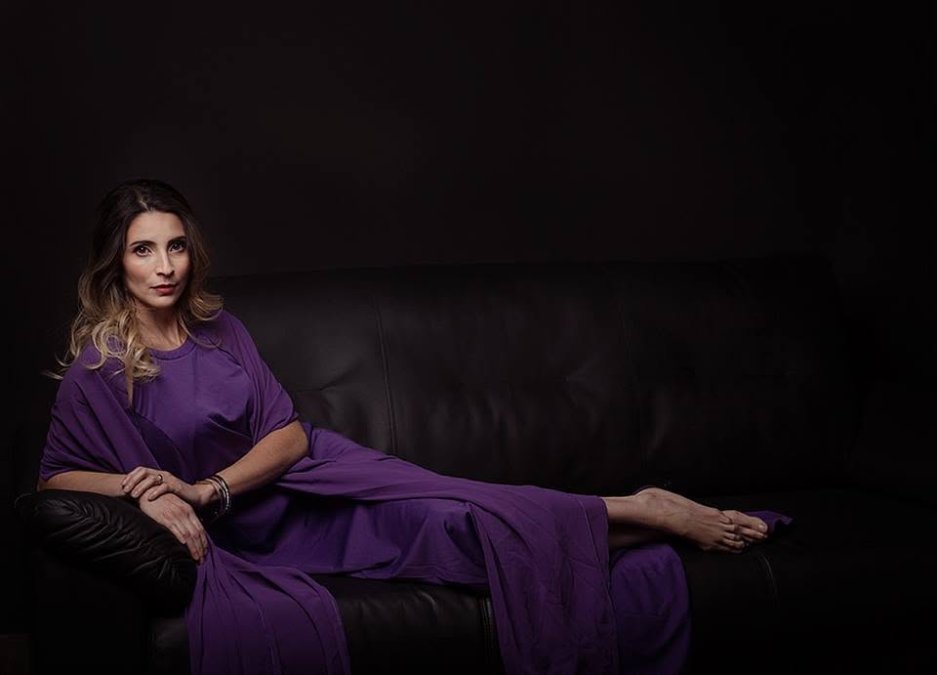
When a photograph looks posed, it’s rarely an accident. Something in the frame reads as staged, uncomfortable, or disconnected from the moment. The subject’s body feels tense. Their gaze looks directed rather than natural.
This is the central challenge in editorial photography: balancing a creative vision with authentic human presence. At KRISTIE Montrois, we work across editorial portraits and family portraiture, and the tension between these two forces shows up everywhere. The result is often why editorial photography feels stiff and posed, not because the concept is wrong, but because the execution prioritizes the pose over the person inhabiting it.
The difference between a photograph that reads as editorial and one that reads as stiff comes down to one thing: whether the subject feels permission to exist naturally within the frame, or whether they’re holding a position.
How body tension translates to the frame
Tension lives in the shoulders first. When someone feels watched or uncertain, their shoulders rise. Their jaw tightens. Their arms press against their sides. These physical responses happen automatically, and they show up immediately in photographs.
The camera captures what the body is actually doing, not what you intended it to do. If a subject is thinking about their posture, they’re not thinking about the story. If they’re holding their breath to maintain a position, that holding registers as rigidity in their face and neck.
This is why why editorial photography feels stiff and posed often has nothing to do with the pose itself. It’s about the internal state of the person being photographed. A technically perfect body angle means nothing if the subject is braced against discomfort.
The fix isn’t to abandon direction. It’s to redirect attention. Instead of asking someone to “hold this position,” you ask them to “move through this space” or “think about something that makes you smile.” The pose becomes a byproduct of authentic presence rather than a thing to maintain.
The moment a subject stops thinking about how they look and starts thinking about something else, a memory, a feeling, the person next to them, their body relaxes. That’s when editorial photography stops feeling posed and starts feeling real.
How to Direct Models for a Photoshoot Without Creating Rigidity
Clear direction before the camera starts rolling
The best direction happens before you press the shutter. Not during the shoot, when tension is already building. Before.
Walk through what you’re looking for in plain language. Show them the angle you want. Explain why it matters to the story. Let them ask questions.
Many photographers wait until the subject is in position to explain the concept. By then, they’re already self-conscious. They’re thinking about how they look. Their body has already begun to brace.
Instead, talk through the shoot while you’re setting up lighting or adjusting your camera position. Explain the mood. Show reference images if you have them. Ask about their comfort level.
Giving subjects permission to move and breathe
Static posing creates static energy. The moment you tell someone to “hold still,” you’ve asked them to stop being human. Humans move. They shift. They gesture. They breathe.
The paradox of editorial photography is that movement often reads as more posed than stillness. A model walking through a frame, adjusting their weight, or reaching naturally looks alive.
Give explicit permission for small movements. Say things like “keep adjusting your weight” or “let your hands move naturally.” These micro-movements create visual interest and, more importantly, they allow the subject to stay present rather than locked into performance mode.
The body angle matters less than the energy behind it. A 45-degree turn executed with tension reads as awkward. The same angle with relaxed shoulders and a natural gaze reads as editorial. The difference isn’t technical. It’s psychological.
The biggest mistake is over-directing. More instruction creates more self-consciousness, not better poses. Once you’ve set the frame and explained the concept, step back and let the subject find their own ease within it.
How to Pose Naturally for Photos: Body Angle and Alignment
The 45-degree turn and hip angle fundamentals
Body angle is the foundation of editorial photography. A direct face-to-camera position reads as confrontational or formal. A full profile reads as stiff. The sweet spot is usually somewhere between.
The 45-degree turn is a starting point, not a rule. Turn the hips and shoulders away from the camera at roughly 45 degrees, but keep the face and gaze more toward the lens.
But here’s what most guides miss: the angle only works if the rest of the body supports it.
The body needs to be aligned. Shoulders should sit naturally over the hips. The spine should have a gentle curve, not a rigid straightness. The weight should feel grounded, not perched.
Arms, hands, and the illusion of ease
Hands are where most portraits fall apart. They’re too visible, too expressive, and too easy to get wrong. A hand that’s tense or awkwardly placed will pull the entire image down.
The rule is simple: hands should look like they belong to the body, not like they’re being held in place. This means arms shouldn’t press flat against the torso. There should be small gaps.
One of the most effective techniques is to give hands a job.
Fingers should be slightly separated and relaxed. A closed fist reads as tense. Fingers pressed together look stiff. Slightly spread, with natural gaps, hands look alive and at ease.
The goal is for the viewer’s eye to move through the entire frame without getting stuck on awkward hands. When hands look natural, they disappear into the overall composition.
Natural hands come from giving them purpose. A hand adjusting fabric or resting naturally looks infinitely better than a hand consciously positioned for the camera.
Model Posing Prompts for Photographers: Movement Over Static Holds
Why movement reads as authenticity
Movement creates narrative. A static pose is a moment frozen in time. Movement is a moment within a story.
When a subject walks through a frame, adjusts their position, or reaches naturally, they’re not thinking about how they look. They’re thinking about the action. This shift in focus is what allows authenticity to emerge.
This is especially true in editorial fashion photography. A model walking, turning their head, or moving fabric reads as editorial because it captures the energy of a collection.
Movement also solves the tension problem. A person can’t brace against the camera if they’re in motion. The body has to stay relatively loose and responsive.
Prompts that trigger genuine expression
The best direction is indirect. Instead of asking for a specific pose, ask for a feeling or an action.
These prompts work because they redirect attention away from the camera and toward something else. The subject becomes an actor in a scene rather than an object being photographed.
Specific prompts also reduce overthinking. When someone has a clear action to perform, they don’t have mental space to worry about how they look. They’re focused on the task. This is when real presence emerges.
The key is to give prompts that feel natural to the subject’s life. If you’re photographing a family, ask them to walk together, laugh at something one of them said, or adjust each other’s clothing. These are things they do anyway.
Editorial Fashion Photography Tips: Balancing Direction With Authenticity
Preparation and communication before the shoot
The best editorial shoots are planned before anyone steps in front of the camera. This doesn’t mean scripting every moment. It means clarity about the concept, the mood, and the visual language you’re creating.
Share references with your team. Discuss the story you’re telling. Explain why certain angles or moments matter. When everyone understands the vision, they can contribute to it rather than just following instructions.
For fashion shoots, this might mean reviewing the collection with your stylist and model. Discussing how pieces should move and sit on the body. Talking about the energy of each look.
This preparation creates a shared language. When you say “more editorial energy,” everyone knows what that means because you’ve already defined it together.
Reading the moment and knowing when to hold back
Direction is important, but so is restraint. Some of the best editorial photographs happen in the moments between poses, when the subject has relaxed and stopped performing.
Learn to recognize when a subject has found their ease. Their shoulders drop. Their gaze softens. Their body moves naturally. In these moments, back off. Stop giving direction. Let the camera work.
This requires patience and attention. It means taking more frames than you think you need. It means watching the subject’s energy, not just the composition.
The best editorial photographs often happen after you’ve given direction, the subject has tried it a few times, and then they settle into something genuine. That’s the moment to shoot.
Camera Angle, Lighting, and Visual Storytelling
Camera angle shapes perception. Shooting from below makes a subject look powerful or vulnerable, depending on context. Shooting from above can feel intimate or diminishing. Eye level often feels most natural because it mirrors how we naturally perceive people.
For editorial photography, your camera angle should support the story you’re telling. If the concept is about strength, a slightly lower angle can enhance that. If it’s about intimacy, eye level or slightly above can work. The angle should feel intentional, not accidental.
Lighting does more than illuminate. It shapes mood. Hard light creates drama and definition. Soft light creates intimacy and ease. Directional light creates dimension. Flat light can feel editorial or clinical, depending on how it’s used.
When a subject feels comfortable in the light, not squinting, not feeling exposed, they relax. This is why lighting setup matters as much as posing direction.
The relationship between camera angle, lighting, and posing creates the overall visual story. None of these elements works in isolation. A perfect pose in bad light reads as stiff. A perfect pose shot from an unflattering angle reads as awkward.
Editorial photography that feels alive comes from understanding that a pose is not a destination. It’s a starting point. The real work happens in the space between technical direction and human presence.
At KRISTIE Montrois, we approach every shoot with this same principle. Direction serves the vision, but presence serves the image. When both work together, the result is photography that feels effortless and true.
Frequently Asked Questions
How can you look less stiff when posing for photos?
Stiffness often comes from holding tension in the shoulders, jaw, and core. Before the shoot, take deep breaths and move your body gently, roll your shoulders, shake out your hands, and shift your weight. During the shoot, avoid locking your joints; instead, keep a slight bend in your elbows and knees. Turn your hips at a 45-degree angle to the camera rather than facing it straight on, which naturally relaxes your frame. Movement, even small shifts, reads more naturally than a static hold.
Why do editorial photos sometimes look overly posed?
Editorial photography feels posed when subjects receive unclear direction or when they’re asked to hold a single position for too long. Tension builds as people worry about their appearance. Additionally, if the camera angle or lighting emphasizes the body unnaturally, or if the pose contradicts the intended mood, the image reads as staged. The disconnect between what the photographer wants and what the subject understands creates visible awkwardness.
How can photographers make fashion poses feel more natural?
Give clear, specific direction before rolling the camera. Instead of saying ‘look natural,’ try prompts like ‘walk toward me slowly’ or ‘adjust your collar and look down.’ Movement feels more authentic than static poses. Encourage subjects to breathe, shift their weight, and interact with their environment. Use camera angles that flatter the body rather than emphasize awkwardness. Most importantly, build rapport so subjects feel comfortable enough to let their guard down.
What should a photographer say when a model looks uncomfortable?
Pause and reset. Ask directly: ‘How does that feel?’ Listen without judgment. Often the pose itself is the problem, it may pinch, strain the neck, or feel unnatural. Adjust the body angle, relax the arms, or change the direction. Sometimes discomfort is about the environment or pacing; slow down, take a breath together, and remind the subject that small movements and genuine expressions matter more than perfection. Comfort builds authenticity.

Be the first to comment