
Avoiding Stiff Poses in Portrait Photography
Table of Contents
- Why Stiff Poses Happen and What They Cost You
- Natural Portrait Posing Techniques That Prevent Stiffness
- Tips for Relaxing During a Photoshoot
- Professional Posing Direction for Portraits: Verbal Cues and Psychological Strategies
- The Role of Movement in Avoiding Stiff Poses
- Common Mistakes in Portrait Posing and How to Avoid Them
- Post-Production Correction for Stiff Poses
- Frequently Asked Questions
Last Updated: September 30, 2026
Why Stiff Poses Happen and What They Cost You
Avoiding stiff poses starts with understanding why bodies freeze. Most people tense up because they feel watched and unsure what to do with their hands, shoulders, or chin, producing a mannequin-like stillness that flattens even good lighting.
The fix is not more instruction, it is less.
Natural Portrait Posing Techniques That Prevent Stiffness
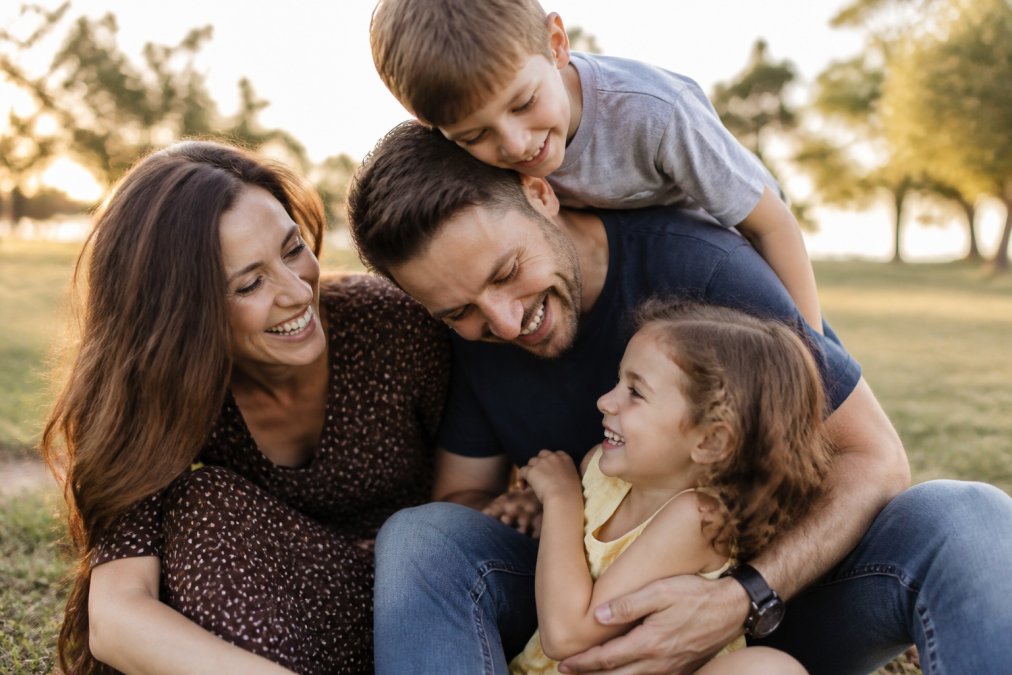
Natural portrait posing begins with one principle: give the body a real task, not a shape to hold. When people hold a pose, they lock joints and stop breathing. When they do something, the body finds its own line.
Angling the Body and Weight Distribution
The fastest fix for a stiff subject is to shift their weight. Ask them to put all their weight on one leg, then the other, this creates a natural hip angle and softens the spine. Square-on stances look blocky and flat, while turning the shoulders slightly away from the lens adds dimension.
- Shift weight to the back foot for a relaxed lean
- Turn the hips about 45 degrees from the lens
- Let the shoulders follow the hips, not the face
- Keep one knee slightly bent, never locked
Understanding the Line of Motion
The line of motion is the imaginary curve running through a subject’s body, from head through spine to feet. A stiff pose breaks that line with sharp angles and joint locking. Ask subjects to walk toward you, then pause naturally, the body keeps its curve.
Watch the elbows. A locked elbow is the clearest sign of a stiff pose. Ask the subject to bend one arm and rest the hand somewhere real, like a pocket, a hip, or a chair back.
Tips for Relaxing During a Photoshoot
Relaxation during a photoshoot is a skill you build, not a mood you wait for. The photographer’s job is to create conditions where the subject forgets the camera exists, talking, moving, and giving the hands something to do.
Breathing Techniques for Relaxation
Breathing is the fastest lever you have. A shallow, held breath tightens the neck and shoulders within seconds; a slow exhale drops the shoulders on its own. Before the first frame, ask the subject to breathe in through the nose, hold for three, then exhale through the mouth longer than the inhale. Repeat twice, then start shooting.
Using Props to Occupy Hands
Hands are the hardest part of any portrait. Left empty, they dangle or clench. Give them a job and the whole body relaxes. Props do not need to be elaborate, a coffee cup, a jacket over the shoulder, a chair, a book, or a child’s hand all work.
- Hold a cup with both hands at chest height
- Rest a hand on a railing or chair back
- Tuck one hand in a pocket, keep the other active
- Let a child hold a parent’s finger
Professional Posing Direction for Portraits: Verbal Cues and Psychological Strategies
Professional posing direction works best when it sounds like conversation, not commands. “Turn your chin slightly left” makes people freeze; “Tell me about the last time you laughed until you cried” makes them move. When a person feels evaluated, the body recruits the muscles that guard the spine and neck, the same reflex that makes you hunch when someone stands too close. That guarding reflex reads as stiffness on camera.
Why Stiffness Is a Nervous System Problem, Not a Posing Problem
A held pose asks the body to do something it is not built to do: stay still while being watched. The body answers by locking joints, elbows, knees, and often the jaw, because locked joints feel more stable, and they stop the small postural sway that keeps a body looking alive.
Scripted Verbal Prompts That Elicit Natural Movement
Here are prompts that work in practice, grouped by what they solve.
For locked shoulders and a tight neck:
- “Shake your hands out like you just washed them and there’s no towel.”
- “Roll your shoulders back once, then let them drop, good, stay right there.”
- “Take a big sigh out loud. Bigger. There it is.”
For a frozen face:
- “Tell me the last thing your kid said that made you laugh out loud.”
- “Show me the face you make when someone cuts you off in traffic.”
- “Whisper something to the person next to you that I’m not allowed to hear.”
For stiff hands:
- “Fix your collar like you’re about to walk into a meeting.”
- “Adjust your sleeve, no, slower, like you’re stalling.”
- “Hold your own wrist. Now relax the top hand.”
For a body that will not move:
- “Walk toward me and stop when you feel like it, not when I say.”
- “Turn away from me, then look back over your shoulder when you’re ready.”
- “Sway side to side like you’re waiting for a bus.”
Ice-Breaker Questions That Do the Posing for You
A good question is a pose in disguise. When a subject answers, their body moves on its own, the head tilts, the shoulders drop, the hands find something to do.
Questions that reliably produce movement:
- “What’s the worst haircut you’ve ever had?”
- “If you could be anywhere else right now, where would it be?”
- “What’s the last thing that made you cry laughing?”
- “Who in your family is the hardest to get a photo of?”
The Anatomy of a Relaxed Pose
A relaxed body has three signatures to check in the viewfinder:
- A soft elbow. A locked elbow is the clearest tell of a stiff pose. If you see a straight arm, give the hand a job.
- A dropped shoulder. Raised shoulders mean a held breath. Ask for one slow exhale and watch them fall.
- A bent knee. Locked knees push the hips forward and flatten the spine. Ask for weight on the back foot.
Camera Angle as a Psychological Cue
Where you stand changes how the subject feels about being watched. A camera dead-center at eye level reads as a formal inspection; a camera slightly off-axis, a few degrees to one side, or a touch above or below eye level, reads as a conversation. Step a half-step to one side and turn your own body slightly away.
The best pose is the one the subject does not know they are holding. Direction should feel like a nudge, not a command, and the nudge works because it gives the nervous system something to do besides guard.
The Role of Movement in Avoiding Stiff Poses
Continuous movement is the most reliable cure for stiffness. A still body will always find tension; a moving body cannot hold it. Ask subjects to walk, sway, turn, or shift between every few frames. This is where the “in-between” moments live: the half-second after a laugh, the glance away, the hand reaching for a child.
Do not chase perfection in every frame. If you stop the subject to fix a sleeve or a stray hair, you break the rhythm and the stiffness returns. Fix it in the next frame, not this one.
Common Mistakes in Portrait Posing and How to Avoid Them
The most common posing mistakes are small and easy to correct, and most come from over-directing rather than under-directing.
| Mistake | What It Looks Like | The Fix |
|---|---|---|
| Square-on stance | Blocky, flat shoulders | Turn hips 45 degrees from lens |
| Locked joints | Straight elbows and knees | Add a bend, give hands a task |
| Held breath | Tight neck, raised shoulders | One slow exhale before shooting |
| Forced direction | Frozen, camera-aware face | Use prompts, not commands |
| No movement | Mannequin-like stillness | Add a small sway or walk |
| Flat camera angle | No depth or dimension | Shift angle slightly off-axis |
Post-Production Correction for Stiff Poses
Editing cannot rescue a pose that was never there, but it can soften the edges of a slightly tense one. Post-production correction works best as a light touch, not a rebuild.
What You Can Actually Fix in Editing
A stiff frame usually has three correctable problems: a locked joint, a square shoulder line, and a flat tonal read that makes the body look like a cutout. Each has a specific tool.
Locked joints and square shoulders, Liquify.
Flat, cutout-looking bodies, dodging and burning.
Clinical, tense color, white balance and tone curve.
What You Should Not Try to Fix
Some stiffness cannot be edited out, and trying makes it worse.
- A held breath. Raised shoulders and a tight neck are structural. Liquify can pull them down a little, but the result usually looks unnatural. Reshoot if you can.
- A frozen expression. You can smooth skin, but you cannot manufacture a genuine smile. A retouched fake smile reads as fake faster than a stiff one.
- Over-smoothed skin. Heavy retouching pushes a subject toward mannequin territory, the exact look you are trying to avoid. Leave texture alone.
A Lightroom and Photoshop Workflow for Stiff Frames
A simple order of operations keeps the edit from snowballing:
- Crop first. A tighter crop often removes the body lines that made the pose read as stiff. Try this before any retouching.
- Correct color and tone. White balance, then a gentle tone curve. Get the frame emotionally neutral before shaping.
- Dodge and burn the line of motion. Low flow, small passes, check at 100%.
- Liquify last, and lightly. Only the joints and shoulder line. Save a copy first.
- Stop. Step away for a few minutes, come back, and look fresh. Most over-edits happen in the last two minutes.
When to Reshoot Instead of Edit
Editing is a softener, not a solution. If you find yourself reaching for Liquify on every frame from a session, the problem happened on set, not in the edit. Fix the direction next time, not the pixels this time.
For editorial work, this balance between softness and structure is central to how we approach a final image at KRISTIE Montrois. You can see the range in our editorial portraits and women’s portraits.
Frequently Asked Questions
How to be less stiff when posing?
Focus on continuous movement rather than holding a single pose. Shift your weight from foot to foot, sway gently, or walk a few steps and turn back. This prevents joint locking and mannequin-like rigidity. Photographers can guide you with simple prompts like ‘take a deep breath and let your shoulders drop’ or ‘imagine you’re telling a secret to the person next to you.’ The goal is to keep your body in motion so it never has a chance to freeze up.
What are the best techniques to relax during a portrait session?
Start with breathing exercises: inhale for four counts, hold for four, exhale for six. This calms the nervous system and reduces body tension. Use props like a jacket, coffee cup, or a child’s toy to give your hands something natural to do. Engage in light conversation with your photographer before the camera comes up. Also, remember that subtle shifts and micro-movements are enough; you don’t need to strike a dramatic pose. These tips for relaxing during a photoshoot help you look natural and comfortable.
Why do my portraits look stiff even when I try to pose?
Stiffness often comes from overthinking and trying to hold a static position. When you lock your joints or square your shoulders directly at the camera, your body loses its natural fluidity. Instead, focus on angularity: turn your body slightly, distribute your weight unevenly, and let your arms rest naturally. Also, stiff facial expressions usually follow a stiff body, so relax your jaw and breathe. Professional posing direction for portraits should feel like a conversation, not a command.
How does movement help improve the quality of portrait photography?
Movement introduces dynamic posing and prevents the blocky, square-on look that reads as stiff. When you walk, twirl, or gesture, your body finds its own line of motion, creating dimension and visual interest. Continuous movement also keeps your facial expression genuine because you’re not frozen in a fake smile. Photographers often ask subjects to move between shots or to shift subtly during a countdown. This approach yields more authentic, camera-aware images that feel alive rather than posed.

Be the first to comment