
Directing Models on Fast-Paced Sets: A Practical Guide
Table of Contents
- Preparation: The Foundation for Fast-Paced Directing
- Model Direction Prompts for Photographers: Scripts That Work
- Communication Strategies for Directing Models Under Pressure
- Creating a Fashion Photoshoot Shot List That Keeps You on Pace
- Fashion Photoshoot Timeline: Structuring Your Set for Maximum Efficiency
- Photographer and Fashion Stylist Collaboration on Set
- Consent, Boundaries, and Respectful Direction
- Frequently Asked Questions
Last Updated: October 15, 2026
Preparation: The Foundation for Fast-Paced Directing
The difference between a chaotic set and a smooth one comes down to what you do before the camera starts rolling, and directing models fast-paced sets requires that foundation. With tight timelines and multiple outfit changes, preparation keeps everything moving.
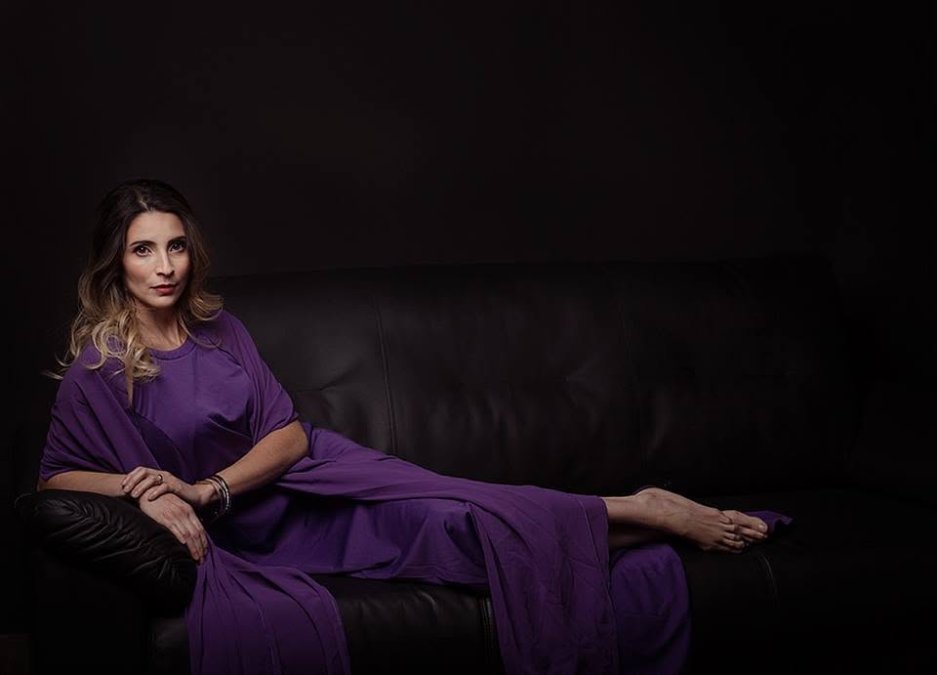
At KRISTIE Montrois, we’ve learned that the best directing happens when you’ve solved half your problems in advance. A shot list, a timeline, and clear communication mean you can focus on connecting with your model instead of scrambling for the next shot.
Build Your Shot List Before the Shoot
Your shot list is your roadmap. It keeps you on pace and ensures you capture everything your client needs without wasting time deciding what comes next.
Start by listing your must-have images. These are the shots that define the campaign or collection. For editorial work, this might be full-body looks, close-ups of details, and movement shots.
Write each shot with enough detail that your team understands it.
Organize your shot list by outfit or location, not by random order. This keeps wardrobe and styling changes grouped together, which cuts transition time in half.
Create a Realistic Timeline
Build a schedule that accounts for setup, shooting, and transitions, not just the shooting itself.
For a typical fast-paced fashion set, allocate 15-20 minutes per outfit or location change, including the actual shooting time.
Be honest about your pace. If you shoot 20 usable images per hour normally, don’t plan for 40 on a fast-paced set.
Write your timeline down and share it with your team before the shoot. Everyone knowing when transitions happen means less standing around.
Model Direction Prompts for Photographers: Scripts That Work
Clear direction is the backbone of directing models fast-paced sets. When your model knows exactly what you want, they deliver quickly. Vague direction wastes time and creates frustration.
The best direction is specific, brief, and actionable. It tells your model what to do, not how they should feel about doing it.
Verbal Cues That Stick
Use short, clear language your model can execute immediately.
Instead of “Look more natural,” try “Eyes to the light, soften your jaw.” Instead of “Give me energy,” try “Shoulders back, chin slightly forward, walk toward me with purpose.” These cues are concrete. Your model knows exactly what movement to make.
Use directional language consistently. If you always say “eyes to the light” for a specific look, they’ll start anticipating it, which speeds up your workflow.
Keep sentences short. One or two directions per shot is the limit; too many at once overwhelms your model and slows everything down.
Here are prompt scripts for common directing moments:
For movement and energy:
- “Walk toward me naturally. Let your arms move with your body.”
- “Turn slowly to your left, then look back over your shoulder.”
- “Step forward, pause, then step back. Keep your weight in your hips.”
For posture and positioning:
- “Shoulders back and down. Lengthen your neck.”
- “Shift your weight to your back foot. Front knee slightly soft.”
- “Angle your body at 45 degrees to the camera. Front shoulder toward me.”
For facial expression:
- “Soften your eyes. Think of something that makes you smile.”
- “Relax your jaw. Let your lips part slightly.”
- “Eyes to the light. Chin down just a touch.”
For transitions between poses:
- “Now shift your weight forward. Good. Hold that.”
- “Lift your chin slightly. Yes, right there.”
- “Relax your shoulders. Perfect. Now look down and back up.”
The model’s job is to execute your direction, not to interpret it. Be specific enough that they can succeed on the first or second try.
Demonstration Over Description
Sometimes showing beats telling. If your verbal cue isn’t landing, demonstrate the pose or movement yourself.
Step in front of the camera for 10 seconds and show the exact posture, angle, or movement you want.
Demonstration also builds confidence. Models feel more assured when they can see what success looks like, and confident models move faster.
Use demonstration strategically, when a direction isn’t clicking after two attempts, or when you need a very specific movement. Don’t overuse it, or you’ll eat into your shooting time.
Communication Strategies for Directing Models Under Pressure
Fast-paced sets create stress. Your communication style either adds to it or reduces it.
The model is watching your energy. If you seem calm and organized, they relax. If you seem frantic, they tense up. Tense models look tense in images.
Give Clear, Concise Instructions
Clarity is speed. Say exactly what you want in as few words as possible, and your model executes faster with fewer questions.
Avoid vague language like “make it more interesting.” Name the specific change: “Tilt your head left” or “Move your hand to your hip.”
Use positive language.
Batch your feedback. If you need three adjustments, give all three at once instead of correcting one thing, shooting, then correcting another. This keeps momentum.
Build Confidence and Rapport Quickly
Your model’s confidence directly affects the images. A confident model moves better, holds poses better, and delivers more usable shots per minute.
Acknowledge what’s working.
Use their name. It personalizes the interaction and makes them feel seen.
When something isn’t working, frame it collaboratively. “Let’s try this differently” beats “That didn’t work” and keeps your model from feeling blamed.
On a fast-paced set, you don’t have time for lengthy rapport-building. Build it through consistent, positive direction and genuine acknowledgment.
Never direct your frustration at the model, even if you’re behind schedule. Frustration shuts down creativity and slows everything down further. Stay calm, and your model will too.
Creating a Fashion Photoshoot Shot List That Keeps You on Pace
Your shot list is your contract with yourself and your client. It defines success and keeps you focused when time pressure mounts.
A strong shot list balances must-haves with flexibility. You know what you need to deliver, but you’re not so rigid that you miss unexpected moments.
Prioritize Your Must-Have Images
Start with the images your client hired you to capture. For editorial work, that’s usually full looks, detail shots, and movement; for brand portraits, the hero shots used in marketing.
List these first. These are non-negotiable. Everything else is bonus.
Then categorize by difficulty or time requirement. Quick shots, headshots, static poses, can fill gaps if you fall behind. Complex shots, movement, interaction, specific lighting, should be scheduled when you have the most time and energy.
Build in Contingency Shots
Fast-paced sets rarely go as planned. A location doesn’t work, a model runs late, lighting changes, you need backup shots ready.
Identify 3-5 shots that are quick to execute and need no specific setup: a simple portrait against a neutral background, a walking shot, a close-up of details. These fill time if you move faster than expected or need to pivot away from a location.
Having contingency shots also reduces pressure. You know you have options if something falls through.
Fashion Photoshoot Timeline: Structuring Your Set for Maximum Efficiency
Time management on a fast-paced set comes down to understanding your pace and building a schedule that respects it.
A realistic timeline accounts for shooting time, setup time, and human factors like hydration and breaks.
Pace Your Shooting Phases
Break your shoot into phases based on outfit, location, or concept, each with a clear start and end point.
Within each phase, shoot must-have images first, then secondary shots if time allows. This ensures you never leave a phase without the essential captures.
Allocate 45-60 minutes per major outfit or location change, including setup and shooting, to account for the actual shooting time plus inevitable delays.
Check your progress against the timeline every 30 minutes. If you’re ahead, add shots; if you’re behind, you know which secondary shots to skip.
Manage Transitions and Setup Changes
Transitions between outfits, locations, or lighting setups are where time disappears.
Communicate transition times clearly. “We’re moving locations in 10 minutes” gives everyone time to prepare instead of scrambling when you’re ready.
Use transitions strategically. If your model needs a confidence break or your crew needs to reset lighting, build in a 5-10 minute buffer rather than scheduling back-to-back setups.
During transitions, stay engaged with your model. Don’t disappear to review images. Quick feedback, “Those last frames were beautiful, you’re nailing this”, keeps momentum and confidence high.
Photographer and Fashion Stylist Collaboration on Set
Your stylist is your partner in pacing. One who understands your timeline and shooting style makes everything faster.
The best sets have clear communication between photographer and stylist from the first conversation.
Pre-Shoot Alignment
Before the shoot, walk through your shot list with your stylist. Explain which images need which outfits, and in what order.
Discuss timing. How long does your stylist need for hair and makeup changes? What’s their fastest realistic pace? Build this into your timeline.
Agree on a signal system. When you’re ready for the next outfit, a simple hand signal or verbal cue keeps things moving without disrupting the model.
Share your mood board with your stylist.
Real-Time Coordination During the Shoot
On set, check in with your stylist between phases. “How are we on time for the next change?” keeps everyone aware of pacing.
If you’re falling behind, your stylist might suggest skipping a styling detail or simplifying a change. Those decisions happen fast when you’ve built trust beforehand.
When something isn’t working visually, collaborate. “The neckline feels off for this pose” gives your stylist a specific problem to solve.
The best fashion sets have photographer and stylist working in rhythm: you’re shooting, they’re prepping the next look, and the model flows between both roles.
Consent, Boundaries, and Respectful Direction
Fast-paced sets can feel intense. Your model is moving quickly, taking direction, and being photographed. Clear boundaries and consent protect everyone and speed up the work.
Start by explaining what the shoot will involve.
Ask before you touch.
Respect “no.” If a model isn’t comfortable with a pose or movement, don’t push. Find an alternative that works for both of you.
Check in periodically. “How are you feeling? Do you need water or a break?” shows you see your model as a person, not just a subject.
On fast-paced sets, it’s tempting to prioritize speed above all.
Directing models on fast-paced sets is a skill that improves with practice and intentionality. Explore our editorial portrait work and women’s portraits to see how thoughtful directing creates timeless images.
Frequently Asked Questions
What’s the best way to give models clear direction without overwhelming them?
Keep instructions to one or two actionable points per direction. Use specific language: instead of ‘move more naturally,’ say ‘shift your weight to your back leg and look over your shoulder.’ Pair verbal cues with quick demonstrations so the model sees exactly what you want. On fast-paced sets, brevity and clarity matter more than detailed explanation. Watch the model’s response and adjust immediately if they seem confused.
How do you create an effective fashion photoshoot shot list that keeps you on schedule?
Organize your shot list by priority: tier one includes must-have images that define the collection or campaign, tier two covers variations and backup shots, tier three is bonus content if time allows. Assign realistic time per shot based on setup complexity and model experience. Include specific notes about pose, angle, and styling for each shot so there’s no guesswork on set. Review the list with your stylist and crew the day before to catch any logistical issues early.
How can photographers and stylists work together smoothly during a fast-paced shoot?
Establish clear roles before the shoot starts: the stylist owns wardrobe adjustments and hair/makeup touch-ups, you own posing and framing. Use a quick pre-shoot meeting to align on the visual direction and any special requests. On set, communicate changes through the stylist rather than directly to the model when possible, it keeps direction streamlined. Build in 30-second buffer time between outfit changes so the stylist isn’t rushed and the model feels confident in each look.
What should you do if a model feels nervous or uncomfortable during a fast-paced shoot?
Pause briefly and reset. A nervous model produces stiff, unusable images, so a 60-second confidence boost pays off. Use specific, genuine feedback: ‘That last frame was beautiful, I loved how relaxed your shoulders were.’ Give the model control over one small thing, like choosing between two poses, to rebuild agency. On fast-paced sets, acknowledge the pace directly: ‘We’re moving quickly, and that’s okay. You’re doing great.’ Confidence and rapport create better images than rushing through discomfort.

Be the first to comment