
Book Editorial Fashion Photographer for 2026 Campaign
Table of Contents
- What Makes an Editorial Fashion Photographer Different
- How to Align Photographer Vision with Brand Goals
- Fashion Campaign Creative Brief Template
- Editorial Photography Budget Breakdown
- Editorial Photoshoot Production Timeline
- Vetting Portfolios and Assessing Photographer Fit
- 2026 Fashion Photography Trends and Visual Storytelling
- Frequently Asked Questions
Last Updated: September 20, 2026
What Makes an Editorial Fashion Photographer Different
An editorial fashion photographer captures the story behind a collection, not just the clothes. They understand narrative, mood, and the feeling a brand wants to convey. This differs sharply from commercial or catalog photography, which prioritizes product clarity and consistency.
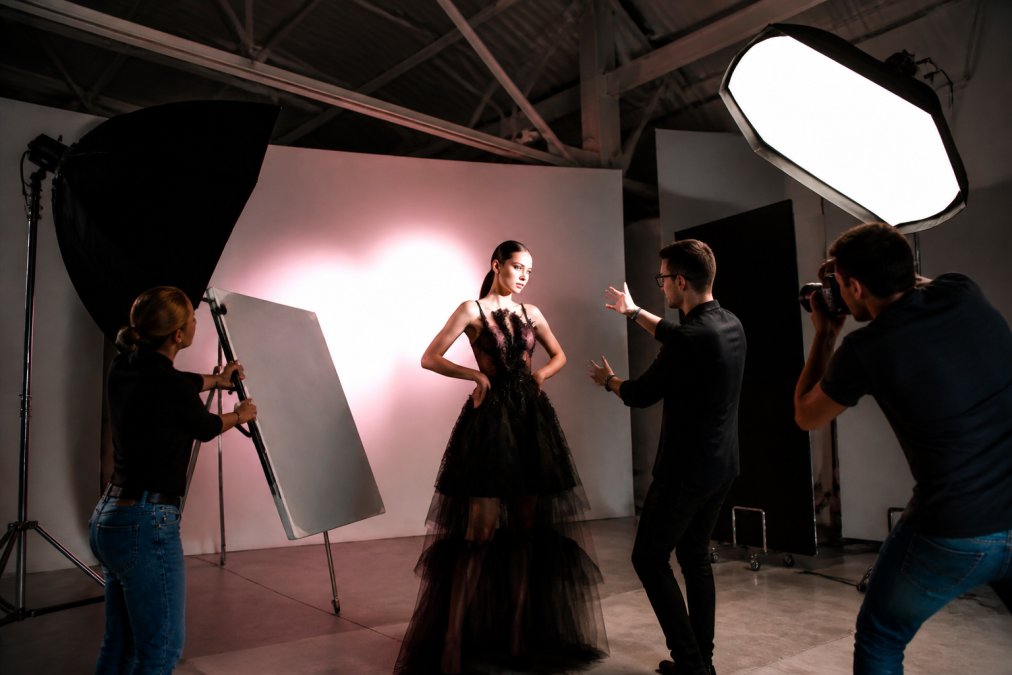
Editorial work demands balancing technical precision with artistic vision, understanding how light shapes emotion, composition guides the eye, and teams function under pressure.
When you book an editorial fashion photographer for a 2026 campaign, you’re hiring someone who thinks in visual narratives and elevates your brief. At KRISTIE Montrois, this balance between softness and subtle direction is central to how we approach every shoot.
The best editorial photographers have worked on set with creative directors who demanded fast pivots. They’ve managed chaos, late models, failing lights, tight timelines, and still delivered usable shots that tell the story.
How to Align Photographer Vision with Brand Goals
The biggest mistake brands make is assuming a photographer will automatically understand their vision. Visual storytelling is subjective, what reads as “bold” to you might read as “aggressive” to someone else.
Alignment starts before the shoot. Discuss the feeling you want to evoke, not just the aesthetic. Show examples of imagery that resonate to establish a shared visual language.
A strong photographer will push back on ideas that don’t serve the story, they see things you don’t. But they need context: your brand values, target audience, and concrete success metrics.
Ask these questions before booking:
- How do you approach direction on set?
- What’s your process if the creative brief and reality diverge?
- How do you handle feedback during a shoot?
- Can you share examples of campaigns where you adapted to a client’s vision?
Alignment happens through conversation, not assumption. Spend time articulating what “the feeling” actually means to your brand before discussing shots or styling.
Fashion Campaign Creative Brief Template
A creative brief keeps everyone aligned when decisions happen fast on set. Include:
Campaign Overview
- Campaign name and launch date
- Target audience and their values
- Core message or story you’re telling
Visual Direction
- Mood and tone (energetic, contemplative, rebellious, sophisticated)
- Color palette and why these colors matter
- Lighting style (natural, dramatic, minimal, layered)
- Composition approach (close, environmental, movement-focused)
Brand Context
- How this campaign fits your larger brand narrative
- What sets this collection or message apart
- Any constraints or non-negotiables
Deliverables
- Number of final images needed
- Specific formats (square for social, landscape for web, etc.)
- Any hero shots or must-have moments
- Timeline for post-production and delivery
References
- 3-5 images that capture the visual feeling (not style to copy, but mood to match)
- Any films, art, or cultural references that inform the direction
A clear brief reduces back-and-forth, gives the photographer confidence to decide on set, and protects you with a documented reference point if images don’t align.
Editorial Photography Budget Breakdown
Understanding where costs go and how to calculate ROI helps you allocate resources smartly and negotiate confidently.
Understanding Photographer Fees and Usage Rights
The photographer’s fee covers both their time on set and your licensing rights afterward, where many brands underbid and end up with expensive restrictions.
Photographer fees typically fall into two structures: (1) Day Rate + Usage Rights, You pay for time on set, with usage rights negotiated separately (social only, print only, exclusive 12 months, non-exclusive perpetual, etc.). Broader rights cost more. (2) Buyout Fee, A flat fee including unlimited perpetual usage rights, less common for editorial work.
Clarify upfront: duration of use (one season, one year, indefinitely?), geographic scope (domestic or global?), medium restrictions (social, print, advertising, web, investor presentations?), exclusivity (portfolio use, confidentiality, competitor licensing?), and derivative works (crop, composite, alter, or use as delivered?).
These variables can add to total cost. Non-exclusive portfolio rights cost less than exclusive use with confidentiality.
Key Cost Categories
Photographer Fee covers time, expertise, and creative direction, typically the largest line item. Rates vary by experience, market, complexity, and usage rights.
Production Costs: Lighting rental, studio/location, hair/makeup, styling, assistants, catering.
Talent: Professional models; less-experienced models. Model usage rights add to fees. Booking agent commissions: typically a percentage of model fees.
Post-Production: Retouching/color grading, image selection (often included), DAM setup.
Logistics: Travel/accommodation/meals, equipment transport, insurance/permits.
Sample Budgets
International shoots add to costs due to travel and logistics.
Measuring ROI: Track content reusability. Monitor campaign reach and engagement (traffic lift, email opens, conversions). Editorial imagery has a longer shelf life versus paid content. High-quality work signals brand strength to investors and partners.
Cutting the photographer fee to save budget often backfires. You end up with images that feel generic or miss the emotional target. The photographer’s expertise is where the campaign’s success lives. Different photographers are not interchangeable; the difference shows in the final images.
Negotiating Rates and Usage Rights
Negotiate strategically: trade exclusivity for lower rates, extend timelines for daily rate discounts, limit usage scope (social/web only costs less than full buyout), provide clear briefs to reduce on-set problem-solving, build relationships for retainer discounts. Discuss budget and usage rights upfront.
Editorial Photoshoot Production Timeline
Timeline: Pre-production (4-6 weeks): finalize brief, book photographer/location, cast models, source wardrobe, arrange crew. 2-3 weeks before: confirm logistics, create shot list, brief team. 1 week before: confirm arrivals, prepare backups, test lighting. Shoot day: arrive 1-2 hours early, allow 30-45 min setup, plan 4-6 hours shooting. Post-shoot (1-2 weeks): review, initial retouch, client feedback. Final delivery (2-3 weeks): fully retouched images, high-res and web versions, organized files. Condensed timelines (2-3 weeks total) compromise quality.
Vetting Portfolios and Assessing Photographer Fit
A portfolio shows what a photographer has done, not whether they can do what you need or if their style will enhance or overshadow your brand. Treat portfolio review as a diagnostic tool for fit, not a binary yes/no.
Create a Portfolio Evaluation Matrix
Define success for your campaign, then score each photographer against: (1) Campaign Type Match, Have they executed cohesive visual stories across 8-15 images, not just beautiful individual frames? (2) Aesthetic Alignment, Does their style complement or compete with your vision? (3) Diversity Representation, Do all body types look equally confident and intentional? (4) Color Palette Range, Can they work outside their comfort zone? (5) On-Set Problem Solving, Do they have examples of adapting when things went wrong? (6) Retouching Philosophy, Do they match the 2026 trend toward “engineered rawness”, authentic but technically refined?
Red Flags in Portfolio Review
Red Flags: Inconsistent quality (cherry-picked best work), all images feel identical (can’t adapt), no commercial campaign evidence, vague/defensive process answers. A strong photographer is confident enough to listen.
Request Specific Deliverables Before Booking
Request: a campaign case study (brief, mood board, final images, notes), 3-5 behind-the-scenes images, examples of different creative directions, and 2-3 brand references from the past 18 months. This filters out all-portfolio-no-substance photographers and provides concrete comparison data.
The Consultation Call is Your Final Vetting Tool
Before you commit, schedule a 30-minute call with your top 2-3 candidates. This isn’t a pitch meeting; it’s a working conversation. Bring your creative brief, mood board, and a specific challenge from your campaign (e.g., “We need to shoot in a warehouse location with no natural light, and we have 6 hours for 40 shots”).
Watch how they respond:
- Do they ask clarifying questions about your brand, audience, and goals?
- Do they identify potential problems and propose solutions?
- Do they explain their process in a way that makes sense for your timeline and budget?
- Do they push back on anything in the brief, or do they just agree to everything?
A photographer who asks good questions and thinks strategically about your specific constraints is more valuable than one who just says yes. The consultation reveals whether they’re a vendor or a collaborator.
Request a brief consultation call before committing. A good photographer will ask questions about your brand, your audience, and what success looks like. If they just nod and say “yes” to everything, that’s a red flag.
2026 Fashion Photography Trends and Visual Storytelling
The shift in 2026 is toward engineered rawness and anti-perfection aesthetics. Overly polished, retouched-to-death imagery feels dated. Audiences respond to authenticity, but authentic-looking imagery still requires sophisticated technical execution.
Narrative-Driven Campaigns
Brands are moving away from isolated product shots toward campaigns that tell a story. The collection or product becomes part of a larger visual narrative about identity, values, or emotion. This requires a photographer who understands storytelling, not just lighting.
Diverse Body Types and Real Representation
Editorial work is finally reflecting actual human diversity. This changes how photographers approach casting, posing, and lighting.
Frequently Asked Questions
How do you align a photographer’s creative vision with brand goals?
Start with a detailed creative brief that outlines your brand aesthetic, campaign narrative, and specific deliverables. Share mood boards, reference images, and your target audience profile. Schedule a pre-production consultation to discuss how the photographer interprets your vision and ensure their storytelling approach matches your brand identity. The best editorial fashion photographers balance their artistic perspective with your strategic objectives, creating images that feel authentic to both.
What should be included in a fashion campaign creative brief?
A strong creative brief contains your campaign theme, brand values, target demographic, desired visual mood, color palette, styling direction, and specific shot list. Include reference images that inspire your vision, details about locations and models, and any technical requirements. Clarify the narrative you want to tell through your lookbook or editorial series. Share your timeline and budget constraints upfront so the photographer can plan accordingly and deliver images that serve your marketing goals.
How much does an editorial photoshoot cost for a brand campaign?
Editorial photoshoot pricing depends on shoot duration, location, model and styling requirements, usage rights, and post-production scope. Smaller brands may invest differently than major fashion houses. Request a detailed quote from photographers you’re considering. Be transparent about your budget and deliverable expectations so they can propose a package that fits your needs. Many photographers offer tiered options based on usage rights and image licensing.
What is the typical timeline for booking an editorial fashion photographer?
Plan to book 6-8 weeks in advance for mid-sized campaigns, or 10-12 weeks for high-end productions requiring location scouting, model casting, and detailed planning. The pre-production phase typically takes 3-4 weeks and includes creative development, mood boarding, and logistics coordination. Shoot day itself is usually 1-3 days depending on your shot list. Post-production and final retouching can take 2-3 weeks. Starting the conversation early gives you time to align on vision and avoid rushed decisions that compromise your campaign quality.

Be the first to comment