Last Updated: November 2, 2026
Quick Summary
A timeless portrait is one that still looks right in ten years because its clothing, light and pose stay quiet enough for the person to stand out. Favor neutral or jewel tones, soft natural light, a tall spine and a genuine expression. Restraint, not trends, keeps the image relevant.
- Choose neutral tones like cream, camel, charcoal or soft gray, with jewel tones adding richness.
- Use soft, natural window light near an uncluttered wall to avoid dated harsh shadows.
- Adjust the chin line, shoulder line and spine first, since they carry most of the posing weight.
- Decide where the portrait will hang before choosing a style, since the room shapes the right direction.
- Avoid heavy filters and saturated color, which tend to signal a specific era.
Table of Contents
- What Makes a Portrait Feel Timeless
- What to Wear for a Portrait Session
- Natural Portrait Poses That Feel Authentic
- Lighting and Color Choices That Hold Up Over Time
- Classic Family Portrait Ideas for Multi-Generational Sessions
- Choosing a Portrait Style That Suits Your Purpose
- Turning Your Portrait Into Custom Wall Art
- Booking Your Complimentary Consultation for 2027
- Frequently Asked Questions
What Makes a Portrait Feel Timeless
A timeless portrait is one you won’t feel the need to apologize for in ten years. The clothes, the light and the pose all stay quiet enough that the person in the frame is what you notice first. At Kristie Montrois Photography, I approach every session with that goal in mind, because a portrait meant to be displayed for generations needs more restraint than a fleeting trend.
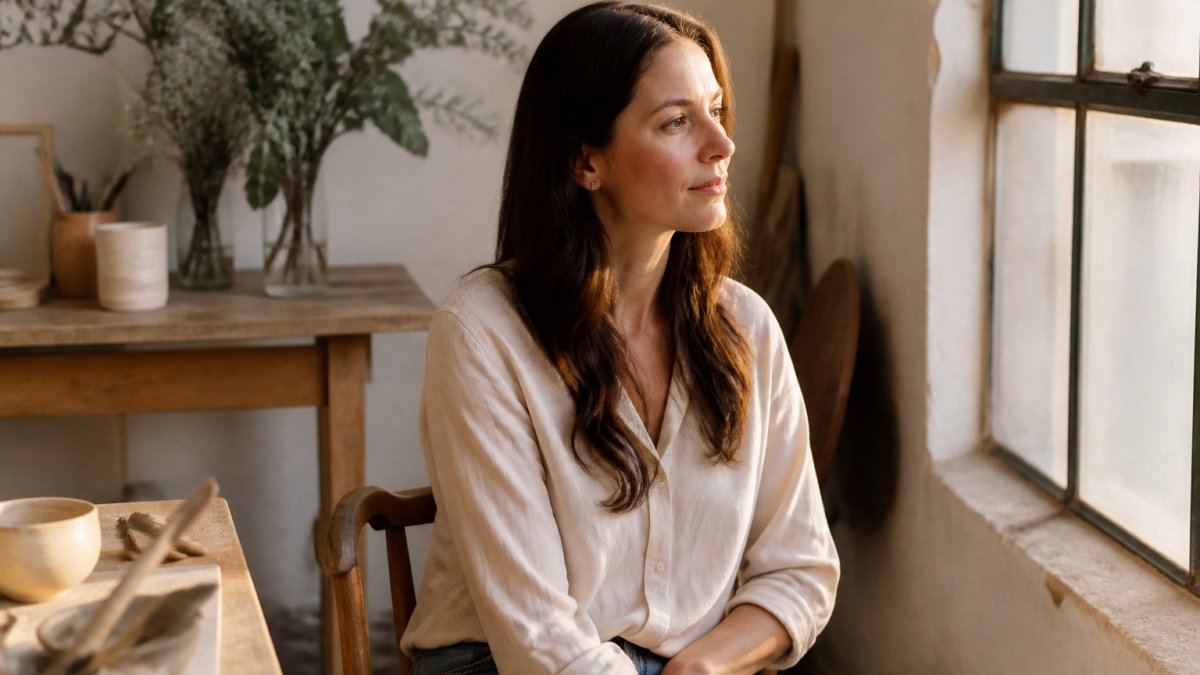
The timeless portrait photography style guide for 2026 starts with a simple question: what will still look right when this image hangs in a hallway decades from now? Answering it means paying attention to a handful of choices that work together rather than competing for attention.
Why Restraint Outlasts Trends
Trends announce themselves. Heavy filters, dramatic color grading and bold props feel fresh for a season and then date the image almost immediately. I tend to favor restraint because it lets the person, not the styling, carry the portrait.
That doesn’t mean a portrait has to be plain. Texture, a single meaningful accessory or a soft expression can give an image depth without tying it to a particular moment.
What to Wear for a Portrait Session
Clothing shapes how a portrait reads more than most people expect. I usually suggest choosing a few pieces that feel like you, in colors that flatter your skin tone and sit comfortably together.
Neutral tones such as cream, camel, charcoal and soft gray tend to age well, and jewel tones like deep emerald or burgundy add richness without shouting. Simple silhouettes, fabrics that move gently and minimal logos all help keep the focus on the face and the connection in the frame.
Natural Portrait Poses That Feel Authentic
The difference between a stiff frame and a natural one usually comes down to a handful of small, repeatable adjustments. Here is how posing can be approached before you step in front of the camera.
The Three Anchors I Adjust First
Several anchors carry most of the weight in posing:
- The chin line. A slight forward and down movement of the chin lengthens the neck and defines the jaw. Too far down and the eyes go heavy; too far up and the neck flattens. I usually ask for a small nod and then a millimeter back up.
- The shoulder line. One shoulder slightly closer to the camera creates depth and keeps the body from reading flat. I rarely square shoulders directly at the lens.
- The spine. A tall, easy spine does more for a portrait than any hand placement. I ask clients to imagine a string lifting the crown of the head, then to let the shoulders drop.
Prompts That Produce Real Expression
A practiced smile can date a portrait quickly. Small prompts often draw out a more natural expression:
- “Think of the last thing that made you laugh out loud.”
- “Look at the light, then look back at me.”
- “Tell me one word about how this chapter of your life feels.”
The pause after a prompt is often where a natural frame can emerge.
Posing for Different Bodies, Ages, and Mobilities
Posing advice should account for different bodies. A few considerations include:
- Seated portraits. A slight lean forward from the hips can keep posture from collapsing and give the face more light.
- Standing portraits. Weight on the back foot with the front knee soft can create a natural line.
- Mobility considerations. Not every person can stand for a long time or hold a pose, so seated or supported options can be helpful to discuss ahead of time.
When to Break the Rules
A timeless portrait is not the same as a rigid one. A direct, squared-off gaze into the lens can be powerful when the subject is ready for it, and a hand near the face can add intimacy when placed with intention rather than habit. A useful test is whether an adjustment draws attention to the person or to the pose itself.
If you are preparing for a session, a brief practice in a mirror is plenty. Over-rehearsing can produce a practiced look.
If you want to see how these adjustments read in finished frames, the Women’s Portraits and Family Portraits galleries show the range.
Lighting and Color Choices That Hold Up Over Time
Soft, natural light is a common foundation of a timeless portrait. Window light near an uncluttered wall can flatter many faces and avoid the harsh shadows that can make an image feel dated.
On color, calm and balanced palettes are a good starting point. Muted neutrals and gentle jewel tones tend to look elegant decades later, while overly saturated or heavily edited color often signals a specific era.
Classic Family Portrait Ideas for Multi-Generational Sessions
Family portraits tend to feel timeless when they capture real connection. For multi-generational groupings, arrangements that show how people relate, such as grandparents seated while younger generations stand close, can be effective.
Coordinating wardrobe in a shared palette, rather than matching outfits, can help a group look unified without feeling staged. Simple, uncluttered settings keep attention on the people.
Choosing a Portrait Style That Suits Your Purpose
Many style guides describe looks, but fewer explain how to choose one. Thoughtful choices about where a portrait will live and what it should convey can help it remain meaningful for decades.
Start With Where the Portrait Will Live
The single most useful question is not “what style do I like?” It is “where will this hang?” A portrait destined for a formal dining room, a bright hallway, a bedroom, or a gallery wall each calls for a different treatment:
- A single large statement piece usually benefits from cleaner lines, a more structured composition, and a background that does not compete with the room’s architecture.
- A gallery wall rewards variety in crop and scale, so I plan for a mix of tighter and wider frames rather than a set of near-identical images.
- A bedroom or intimate space often suits softer light, closer crops, and a quieter palette.
Walking through the room, even on a phone screen, can change the conversation about a portrait.
Match the Style to the Chapter, Not the Trend
A portrait celebrating a milestone, a new chapter, or a multi-generational family moment can feel like that moment rather than the year it was taken. Three broad directions are a useful starting point:
- Intimate and personal. Softer light, closer framing, and a focus on expression. This direction suits women’s portraits marking a personal milestone and family portraits centered on connection.
- Structured and formal. Cleaner backgrounds, more deliberate composition, and a palette that reads well in a formal room. This direction suits portraits intended as long-term wall art.
- Editorial and expressive. More creative styling, stronger light direction, and a willingness to push into fashion and editorial territory. This direction suits clients who want the portrait to feel like a piece of visual storytelling rather than a record.
Many portraits land somewhere between two of these directions, and that is fine. Naming a direction before a session can help wardrobe, light, and location work together.
A Short Decision Checklist
Before booking, it can help to consider these questions:
- Where will the finished portrait hang, and how large will it be?
- Is this portrait primarily for me, for my family, or for a shared space?
- Do I want the image to feel quiet and classic, or expressive and editorial?
- What do I want to remember about this chapter in ten years?
The answers can help narrow the style. When they conflict, considering the location first can help, because a portrait that fights its room is less likely to be displayed.
What This Means for Wardrobe and Setting
Once the direction is set, wardrobe and setting can follow. An intimate portrait may lean toward softer fabrics and closer settings; a structured portrait may lean toward cleaner silhouettes and uncluttered backgrounds; an editorial portrait can carry bolder styling and more deliberate light.
Choose the style by the room and the chapter, not by the trend. A portrait that fits its wall and its moment is the one that stays up.
If you are still deciding, the Women’s Portraits, Family Portraits, and fashion galleries show how each direction reads in practice.
The three directions below each suit a different kind of portrait, so it helps to name one before you book.
| Direction | Suits | Key feature |
|---|---|---|
| Intimate and personal | Women’s portraits marking a milestone; family portraits | Softer light, closer framing, focus on expression |
| Structured and formal | Portraits intended as long-term wall art | Cleaner backgrounds, deliberate composition |
| Editorial and expressive | Clients wanting visual storytelling | Creative styling, stronger light direction |
Turning Your Portrait Into Custom Wall Art
A portrait becomes part of the home when it’s printed and displayed thoughtfully. Finished artwork can be thought of as the true product: something designed to be hung, enjoyed and passed down rather than stored on a hard drive.
Consider scale, frame style and how the image will sit alongside existing décor. Grouping several portraits into a gallery wall can tell a family story over time, and a single large print can anchor a room with quiet confidence.
Booking Your Complimentary Consultation for 2027
If you’re planning a portrait for the coming year, the best place to start is a conversation. A complimentary consultation gives us time to talk through your goals, choose a style that suits your purpose and decide on wardrobe, timing and setting.
Reach out to schedule your complimentary consultation and begin planning a portrait you’ll be proud to display for years to come.
Frequently Asked Questions
What makes a portrait photograph feel timeless?
A timeless portrait avoids details that date an image, such as fleeting trends, heavy filters, or cluttered backgrounds. Instead it relies on simple composition, natural light, and an authentic expression. Neutral wardrobe and uncomplicated backdrops let the subject remain the focus for decades. When these elements work together, the photograph reads as clearly today as it will years from now, which is the quality most families want to preserve.
What should I wear for a timeless portrait session?
Choose classic pieces that fit well and that you feel confident wearing. Solid neutrals, soft jewel tones, and simple textures tend to photograph beautifully and avoid strong logos or bold patterns that compete with your face. Coordinate family members loosely rather than matching exactly, and bring a few options so we can test what suits your skin tone and the setting. Wardrobe guidance is part of every session, so you do not need to plan every detail alone.
How do you pose people naturally for portraits?
Natural posing starts with small adjustments rather than rigid positions. Gentle head tilts, a slight shift of weight, and a relaxed jawline usually look more genuine than a stiff, straight-on stance. Subtle direction helps people settle in, and movement between frames often produces the most authentic expressions. Posing should feel like a conversation, so the photographs capture who you are rather than a pose you were told to hold.
How can lighting make a portrait look timeless?
Soft, directional natural light flatters most faces and avoids the harsh shadows that can make images feel dated. Working near a large window or in open shade gives gentle modeling without overwhelming contrast. Consistent lighting across a family session also keeps the set cohesive when printed together. Good light is largely a matter of placement and patience, and it is one of the most reliable ways to create an image that holds up over time.
Are printed portraits better for displaying family memories?
Printed portraits are designed to be displayed and lived with, which is a large part of their value. Prints can be arranged on a wall, passed down, and enjoyed across generations, whereas digital files are easy to lose or forget. A finished piece of artwork also becomes part of the home in a way a screen rarely does. If you are considering custom portrait wall art, you are welcome to reach out to discuss your options.
How can I plan a portrait session that will still feel current years from now?
Focus on the qualities that do not change: flattering light, simple styling, and genuine expression. Avoid wardrobe that depends on a single season’s trend and keep accessories minimal. Think about where the portrait will hang and choose a palette that complements that space. Planning with these principles in mind gives you a portrait that still feels personal and relevant when you revisit it in ten or twenty years.


0
comments
Leave a comment ⟶