Table of Contents
- What Makes a Professional Fashion Photographer
- The Fashion Photographer Skills That Separate Pros From Hobbyists
- Fashion Photography Types: Editorial, Commercial, and Beyond
- Fashion Photography Lighting Techniques in Practice
- Composition, Styling, and Directing Models
- How to Become a Fashion Photographer: A Step-by-Step Path
- Business, Contracts, and Responsible Image-Making
- Frequently Asked Questions
Last Updated: October 20, 2026
What Makes a Professional Fashion Photographer
A professional fashion photographer is a visual storyteller who combines technical command, creative vision, and business discipline to translate a collection’s intent into images that sell and endure. At KRISTIE Montrois, we see the difference between a competent image-maker and a professional measured less in gear and more in preparation, direction, and reliability under pressure. The distinction matters most on set, when the light fails, the model is late, and the creative director needs a usable frame before the schedule collapses.
Below, we break down what actually separates the two, from lighting technique to the contracts that protect the work.
The Fashion Photographer Skills That Separate Pros From Hobbyists
Aspiring image-makers often assume the gap is equipment. It usually isn’t. The fashion photographer skills that matter most are creative vision, communication, and the composure to protect a shoot when something breaks.
Consider the difference this way:
- A hobbyist waits for the moment. A professional builds the conditions for it, then directs subtly to draw it out.
- A hobbyist owns a camera. A professional understands lighting, lenses, and composition well enough to solve a problem in minutes.
- A hobbyist delivers files. A professional delivers a coherent body of work that serves a brand identity.
What most guides miss is that soft skills carry equal weight. Directing a nervous model, reading a room, and adapting when a client changes direction mid-shoot are the same muscles that keep a career alive. Technical skills get you the first booking. Communication gets you the second.
Build a small “problem kit” before every shoot: a spare light, gaffer tape, extra batteries, and a backup tether cable. The professional isn’t the one who never hits a snag, it’s the one who never lets the client see it derail the day.
Fashion Photography Types: Editorial, Commercial, and Beyond
Fashion photography types fall into two broad camps, editorial and commercial, and each demands a different instinct. Editorial work serves a magazine’s visual storytelling, where creative vision and artistry lead. Commercial photography serves a campaign or brand identity, where the image must sell a product and fit a strategy.
Beyond those two, the field includes haute couture shoots, lookbooks, e-commerce, and portrait work. Each genre carries its own expectations for styling, art direction, and delivery. A lookbook rewards consistency and clean presentation. A campaign rewards a striking, ownable idea.
The practical takeaway: don’t market yourself as everything to everyone. Pick the genres where your portfolio is strongest, then let adjacent work grow from there.
Fashion Photography Lighting Techniques in Practice
Lighting is where technical skill becomes visible. Fashion photography lighting techniques range from soft, directional window light to controlled studio setups with strobes and modifiers, and the choice shapes the mood as much as the subject.
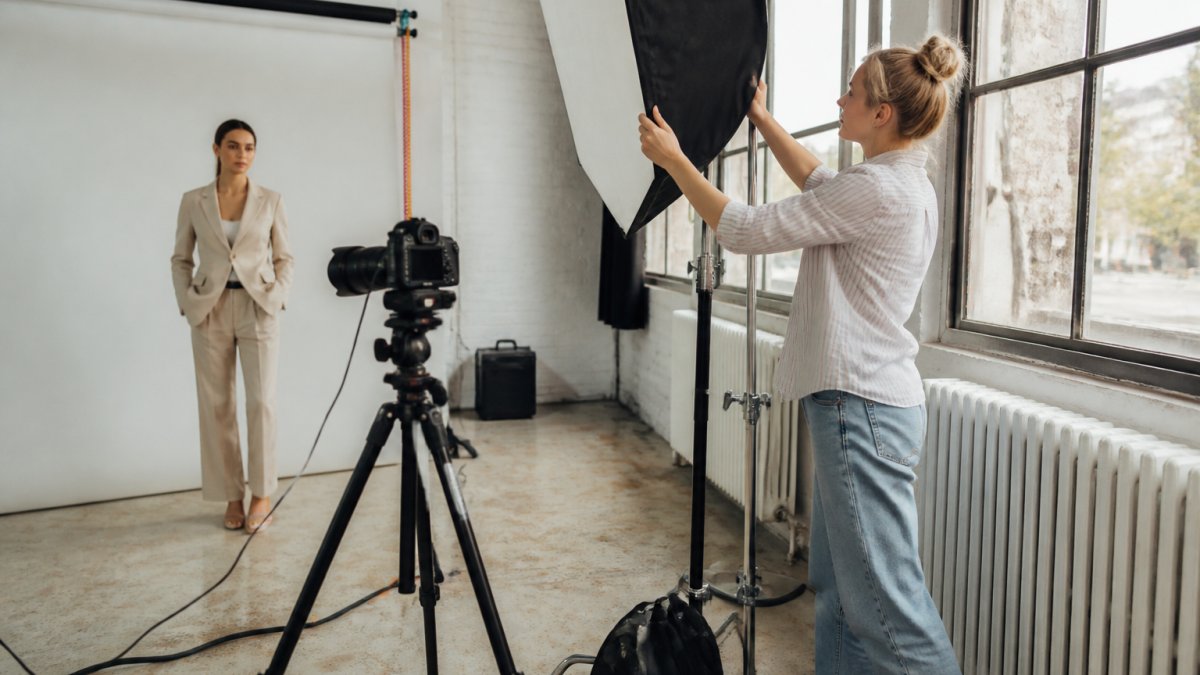
A common mistake is treating lighting as a fixed formula. In practice, the professional reads the clothing, the model’s features, and the brand’s tone, then chooses light that supports all three. Soft light flatters fabric and skin. Hard light creates drama and edge. Neither is “correct” on its own.
Camera and lens choice follows the same logic. A longer lens compresses features and isolates the subject. A wider lens brings context and movement. The professional selects deliberately, not by habit.
Renting unfamiliar gear the morning of a paid shoot is a classic way to lose usable frames. Test any new light, lens, or tethering setup on a practice day first, so the client’s timeline never becomes your learning curve.
Composition, Styling, and Directing Models
Composition and framing decide whether an image feels intentional. The professional uses negative space, leading lines, and balance to guide the eye toward the garment and the feeling the brand wants to convey.
Then comes the human part. Working with models and directing poses is less about issuing commands and more about creating trust. Subtle direction, a quiet adjustment of a hand or a shift in weight, often yields more authentic movement than rigid posing. Styling and clothing presentation sit alongside this: the photographer collaborates with the fashion stylist and creative team so the apparel reads clearly and the brand identity stays intact.
What most guides miss is that the best direction often sounds like a conversation, not a script. When a model feels safe to move, the in-between moments, the laughter and the shift of fabric, become the frames clients remember.
How to Become a Fashion Photographer: A Step-by-Step Path
Learning how to become a fashion photographer is less mysterious than it looks, but it rewards patience.
Stage 1: Fundamentals and volume. Master lighting, composition, and camera control until they are automatic. A useful practice assignment is a 30-day daily shoot: one subject, one light source, one lens, and a written note on what you would change next time.
Stage 2: Test shoots with intent. Build a portfolio by shooting test concepts with local models and stylists. Treat each test like a small production: a mood board, a shot list, a call time, and a delivery date.
Stage 3: Assist and observe. Assisting working professionals teaches set etiquette, workflow, and how a real production runs. Pay attention to how the photographer handles the client, the schedule, and the inevitable problem.
Stage 4: Define your niche. Choose editorial, commercial, or portrait work, and go deep before going broad.
Stage 5: Learn the business. Contracts, licensing, invoicing, and client relationships are part of the job. Build a simple template set (estimate, contract, invoice) and practice explaining your license terms out loud before you need to in a real negotiation.
Stage 6: Network deliberately. Build relationships with stylists, art directors, and editors who value your vision. Outreach works best when it is specific: reference a recent project, explain why your work fits, and propose a small, low-risk collaboration rather than asking for a job.
Stage 7: Deliver reliably. Reputation compounds when every shoot lands on time and on brief. After each project, ask the client two questions: what worked, and what would have made the process easier. The answers become your operating manual for the next booking.
Career development is rarely linear. Many photographers balance full-time work with freelance shoots before the transition feels safe, and that overlap is a normal part of building a sustainable practice.
Measure progress by portfolio milestones, not by calendar time. Three cohesive test stories, one assisted production, and one paid booking with a signed license are more meaningful markers than a year of unstructured shooting.
Business, Contracts, and Responsible Image-Making
The business side is where many talented photographers stall. Client relationships, clear contracts, and licensing terms protect both parties and set expectations before the shoot begins. Usage rights, in particular, define where and how long an image can be used, and they belong in writing.
A practical way to think about usage is to separate the creative fee from the license fee. The creative fee covers your time, preparation, and the shoot itself. The license fee covers how the client may use the resulting images, and it should scale with the scope of that use. A single lookbook delivered to a regional retailer is a different license than a national campaign running across print, out-of-home, and paid social for a year. Most practitioners structure agreements around four variables: media (where the image appears), territory (geographic reach), term (how long the license lasts), and exclusivity (whether the client blocks you from shooting competitors).
A few contract terms are worth insisting on in every engagement:
- Scope of work and deliverables. Specify the number of final images, retouching level, and delivery format so “a few extra selects” does not become an open-ended request.
- Usage and license window. State the media, territory, term, and exclusivity in plain language, with a renewal clause for extended use.
- Payment schedule and kill fee. A deposit reserves the date; a kill fee protects you if the client cancels late. Net-30 invoicing is common, but many photographers set shorter terms for new clients.
- Credit and portfolio rights. Retain the right to show the work in your portfolio unless the client negotiates otherwise in writing.
- Model and property releases. Confirm who is responsible for releases, especially for commercial use where a release is typically required.
Responsible image-making matters just as much. Representation, consent, and honest retouching choices shape how a brand is perceived and how subjects are treated. Consent means the model understands where the images will appear and for how long, not just that they signed a sheet on set. Inclusive casting and culturally sensitive styling are increasingly part of a brand’s brief, and a photographer who can speak to those choices becomes easier to hire. On retouching, a common professional standard is to correct what is temporary (stray hairs, lint, a crease in the garment) and to be cautious about permanently altering a subject’s body or skin in ways they have not agreed to. When in doubt, ask the model and the client what the intended standard is before the retouch begins.
Adaptability and communication carry you through the unpredictable days, and business acumen keeps the work sustainable. A shoot that runs smoothly and a contract that holds up under pressure are both part of the same professional posture.
Keep a one-page “terms sheet” you can send before a call. Listing your license variables, deposit policy, and delivery timeline in advance turns a negotiation into a confirmation and saves hours of back-and-forth.
At KRISTIE Montrois, our editorial portrait work and published magazine features are built on that same discipline: subtle direction, careful preparation, and images that preserve the energy of a collection. For brands and families alike, the goal is the same, to document the feeling behind a fleeting moment and turn it into a visual legacy that lasts.
Frequently Asked Questions
What are the different types of fashion photography?
Fashion photography generally splits into editorial, commercial, and runway work. Editorial images tell a story for magazines and often prioritize mood over product detail. Commercial photography, including campaigns and lookbooks, serves a brand’s sales goals and usually follows tighter art direction. Runway coverage documents live shows. Many professional fashion photographers move between these types, but each demands different pacing, lighting, and client expectations.
What skills does a professional fashion photographer need?
Technical camera control is only the starting point. A professional fashion photographer also needs lighting design, composition, and posing direction, plus communication and collaboration with stylists, designers, and art directors. Business skills matter too: contracts, usage rights, marketing, and client relationships. The strongest portfolios show consistent creative vision across all of these, not just sharp images.
How does a fashion photographer tell a story through images?
Visual storytelling starts before the shutter clicks. A professional fashion photographer builds a creative vision around the collection or brand, then uses lighting, framing, styling, and subtle direction to carry that idea through every frame. The goal is a cohesive set where clothing, mood, and movement feel intentional, so the images read as a narrative rather than a series of separate poses.
What is the difference between editorial and commercial fashion photography?
Editorial fashion photography is commissioned by publications and usually emphasizes creative vision and cultural context over direct sales. Commercial photography, such as campaigns and lookbooks, is commissioned by brands and measured against marketing goals like brand identity and product clarity. The production workflow is similar, but editorial work often allows more experimentation while commercial work follows stricter art direction and usage terms.
How do you become a fashion photographer?
Start by building technical skill with a camera and lighting, then create test shoots with models and stylists to develop a portfolio. Assist established photographers, study editorial and commercial work, and learn the business side: contracts, licensing, and client communication. Consistent networking and a focused portfolio matter more than formal credentials, and many photographers build toward full-time work gradually.
Why do lighting techniques matter so much in fashion photography?
Lighting shapes how fabric texture, skin tone, and silhouette read in the final image. A professional fashion photographer uses lighting techniques to match the brand’s mood, whether that means soft, even light for a beauty look or dramatic contrast for an editorial. Mastering both natural and studio lighting gives you the flexibility to deliver consistent results on location and in the studio.
The difference between a good shoot and a lasting one usually comes down to preparation and trust. If you’re planning editorial, campaign, or portrait work and want images that carry a brand’s vision without losing its humanity, we’d be glad to help. Explore our portfolio to see how we balance softness with sophisticated storytelling, and get started with KRISTIE Montrois to build imagery that endures.

0
comments
Leave a comment ⟶